
CBI Name Change Rules in 2026: What Investors Should Know Before Applying
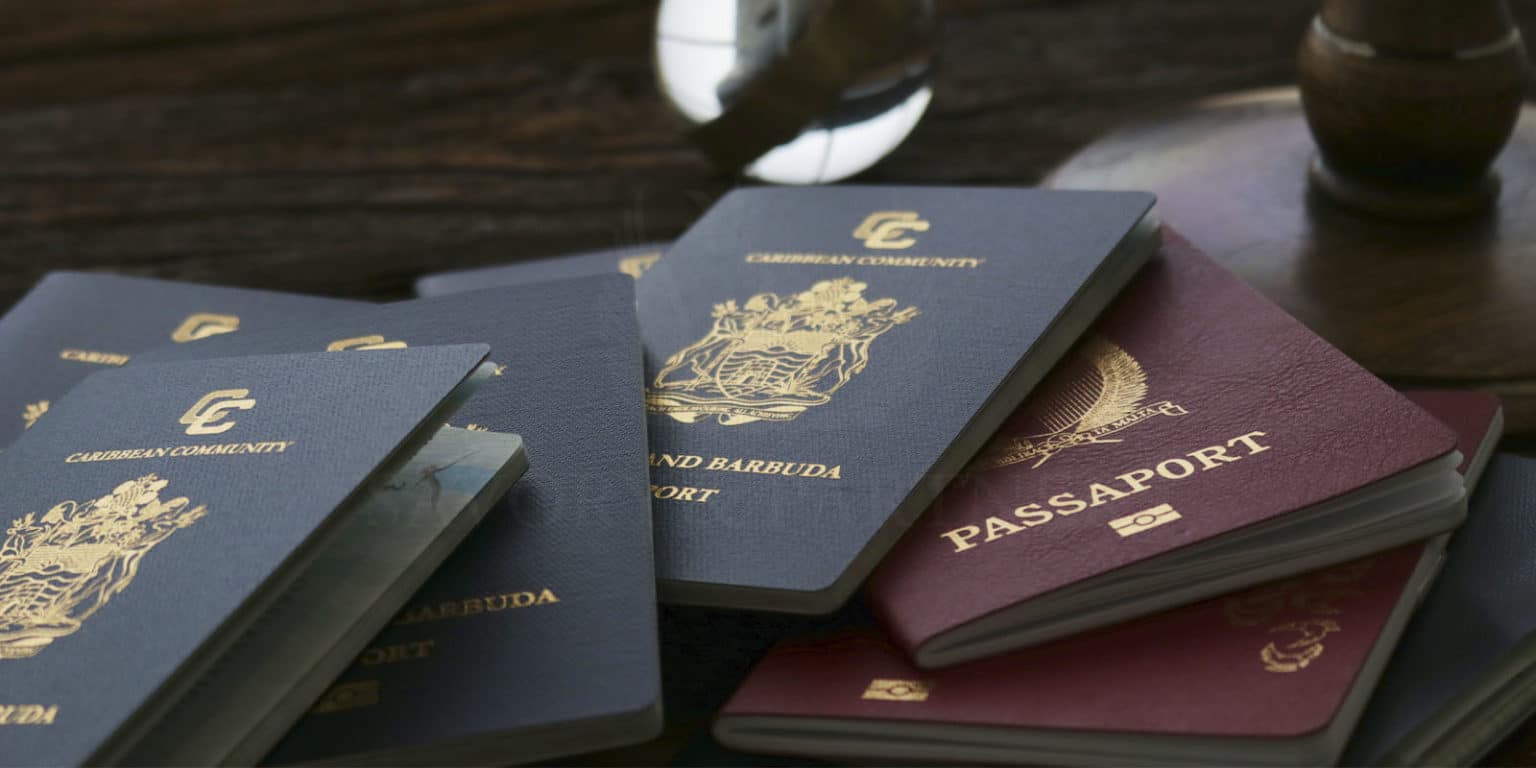
Can a second passport be issued under a new name?
It sounds like a simple question. In practice, it is one of the most sensitive identity issues in citizenship by investment.
Some investors ask because their name has been written three different ways across passports, bank files and civil records. Others need to correct a spelling error that started with a translation from Arabic, Cyrillic, Chinese or another script. A few have a court order, marriage certificate, adoption record, divorce decree or safety concern that explains the change.
Those are legitimate cases.
The problem is that a name change can also be misused. It can hide a sanctioned person, weaken a court order, confuse bank screening or separate a new passport from an older identity trail. That is why governments no longer treat name changes as a small administrative matter.
For investors, the real rule in 2026 is this: a name change may still be possible in selected countries, but it must be declared, documented and easy for officials to trace.
Citizenship Network reviews this issue early in a file because it affects due diligence, banking, passport issuance, family documents and future visa applications.
Why name changes matter more now
Investment migration used to focus mostly on eligibility, source of funds and processing time. Identity records now sit at the center of the file.
One reason is the St. Kitts and Nevis passport controversy from the early 2010s. In May 2014, the U.S. Treasury’s Financial Crimes Enforcement Network issued Advisory FIN-2014-A004 on abuse of the St. Kitts and Nevis citizenship by investment program. The advisory was later rescinded on 24 February 2026, but it shaped the way banks and governments look at investor citizenship files.
The message from that period still matters. A passport must not create a clean break from a person’s earlier records.
That does not mean every name change is suspicious. It means the burden of proof is higher. A serious application needs to show the old name, the new name, the legal reason, the document trail and the timing.
Common legitimate reasons for a new passport name
Most name issues are ordinary. They come from language, family law and civil registry systems, not secrecy.
A few examples come up often:
- a name transliterated differently across several documents
- one-name naming traditions that do not fit a first name and surname form
- two family names being shortened or reordered for passport use
- marriage, divorce or adoption
- religious conversion or a documented gender transition
- a court-ordered correction after a civil registry error
- a safety concern supported by official records
- repeated false matches in banking or sanctions screening
The key word is supported. A preference is not enough. A file needs a legal document that a passport office, citizenship unit, bank and border officer can understand.
Turkey is different at the registration stage
Turkey citizenship by investment is often discussed separately because the investor is entered into the Turkish civil registry during naturalization. At that stage, the applicant’s Turkish record is created, and the registered name must fit Turkish civil registry practice and the Turkish alphabet.
This is not the same as quietly replacing an identity after citizenship is granted. The name sits inside the official population register. After that record exists, a later name change is treated under ordinary Turkish civil law.
Article 27 of the Turkish Civil Code No. 4721 states that a name change may be requested from a judge only for just cause. Turkish civil registry guidance also makes clear that record correction cases are handled through the competent civil court when the issue requires judicial correction.
In plain English: Turkey may give investors more room at the first registration point, but once the Turkish record is issued, changing it later is a legal process, not a marketing feature.
For some families, that makes Turkey attractive. It can help align spelling, structure and documents before the Turkish passport is issued. For others, it creates planning work: bank accounts, property title, family records and foreign passports still need to tell a coherent story.
Citizenship Network normally treats the naming decision in a Turkish file as a compliance decision, not a cosmetic one.

Caribbean programs are moving toward stricter records
The Caribbean position is more conservative. The five Eastern Caribbean citizenship by investment countries have been building a common regulatory structure through the Eastern Caribbean Citizenship by Investment Regulatory Authority, known as ECCIRA.
Official national releases describe the regional regulator as part of a wider push for stronger due diligence, biometric collection, common registers, compliance controls and program integrity. St. Kitts and Nevis announced passage of its ECCIRA Bill in 2025, tying national law to the regional framework.
For name changes, the direction is clear even where final national practice differs by country:
- changes should not be hidden during an application
- applicants should disclose former names
- supporting documents should be official and verifiable
- authorities may rerun background checks
- approved changes should leave a record
- suspicious requests can be refused
That does not close the door on lawful changes. It closes the door on unexplained ones.
For investors comparing Grenada citizenship by investment, St. Kitts and Nevis citizenship or other Caribbean citizenship by investment routes, the safest assumption is simple: every old name will need to be declared, and every new name will need a document trail.
The banking problem investors often underestimate
A passport name is not only a passport issue.
Banks screen names. Brokerages screen names. Property registries, source of funds reviews, immigration systems and visa offices do the same. If one document says one thing and another document says something else, the file may stop until the mismatch is explained.
That can affect:
- incoming investment transfers
- account opening
- real estate purchase documents
- dependent applications
- inheritance planning
- school records for children
- visa applications after citizenship is granted
- border questions where the passport shows a former name
This is where many investors make the mistake. They focus on whether a country allows the change. They do not ask whether their bank, their family office, their property seller and their future visa applications can live with the change.
Permission is not the same as smooth execution.
The better order of steps
If a name change has a real legal reason, the cleanest route is usually to fix the civil record first.
That means obtaining a court order, deed poll, civil registry certificate, marriage certificate, divorce decree or other official document before the citizenship application is filed. The application can then declare both names from the start.
The riskier route is to apply under one name, wait until the file is moving, then ask the citizenship unit to switch the identity record. That can trigger extra checks, delays or refusal. It can also create a permanent note in regional or national systems.
A strong file should answer four questions before submission:
- What is the current legal name?
- What was the former name?
- Which official document proves the change?
- Will banks and foreign authorities understand the connection?
If those answers are weak, the file is not ready.
What Citizenship Network checks before filing
For clients with a name issue, Citizenship Network reviews the identity trail before the program choice is finalized.
That review usually covers:
- birth certificate spelling and transliteration
- current passport and residence permit names
- marriage, divorce and adoption records
- bank account names used for the investment
- source of funds documents
- dependent family records
- any sanctions, litigation or adverse media false matches
- whether the chosen program has a practical route for the issue
The goal is not to hide complexity. The goal is to make it legible.
In 2026, a clean second citizenship file is not the one with the fewest documents. It is the one where every document tells the same story.
Bottom line
CBI name changes are still possible in certain cases, but the old casual approach is gone.
Turkey remains unusual because the investor’s Turkish civil registry identity is created during naturalization, subject to Turkish rules. Caribbean programs are moving toward a stricter regional model where disclosure, biometric checks and shared records carry more weight.
For investors, the practical answer is not “Can I get a new name?” The better question is: “Can I prove why this name is correct, and will the record survive bank, passport and immigration checks later?”
If the answer is yes, the issue can often be planned. If the answer is no, changing the name may create more risk than it solves.
Citizenship Network can review name spelling, civil documents and passport strategy as part of a wider citizenship by investment or second passport planning file. For a private assessment, contact the team through the consultation page.