
Countries That Allow Dual Citizenship in 2026
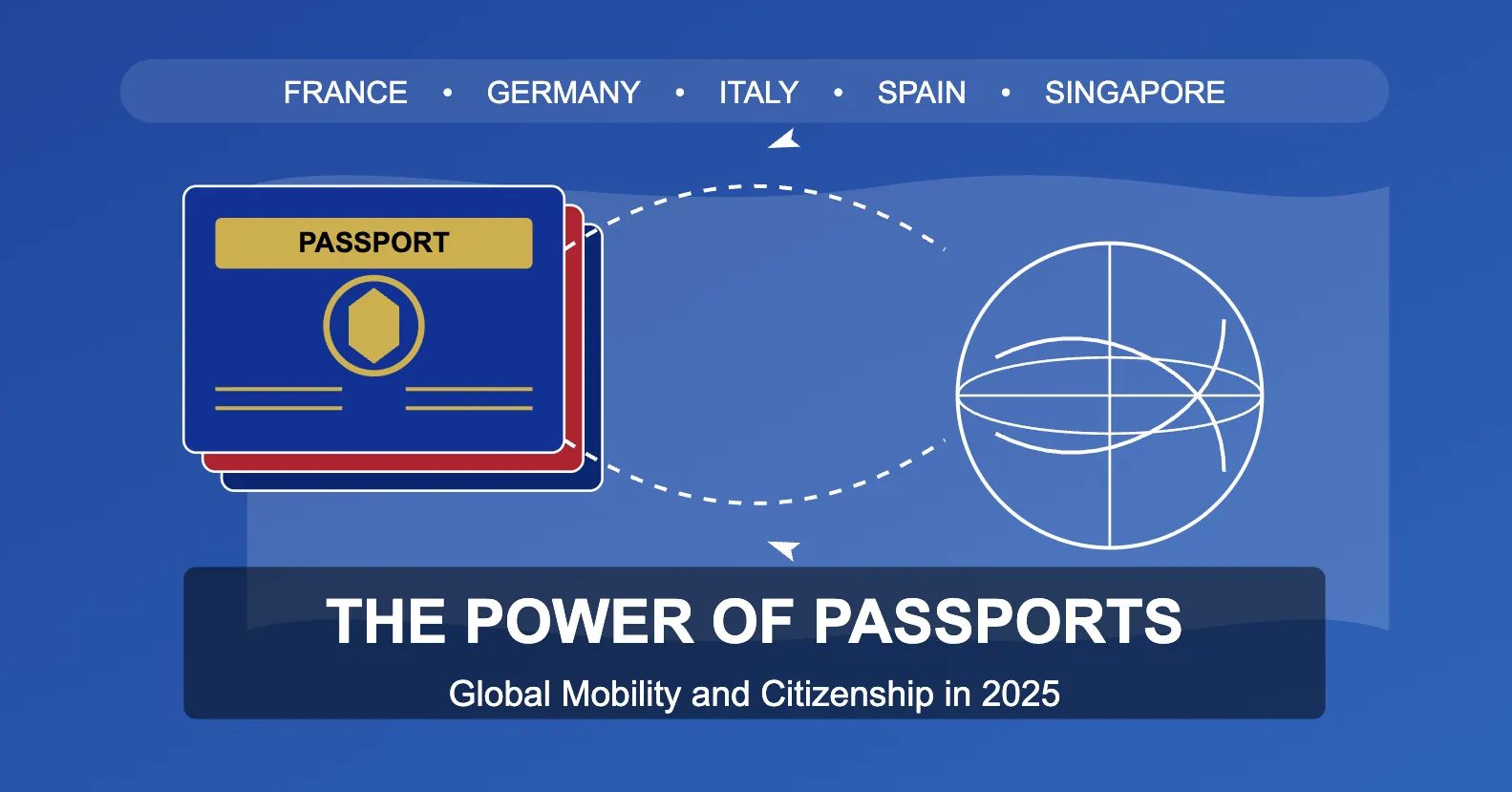
People usually ask this question in a very simple way: does my country allow dual citizenship?
The answer is rarely as simple as yes or no. Some countries openly accept more than one nationality. Some tolerate it only if the second citizenship came by birth or marriage. Some do not recognise dual citizenship at all, but offer a limited status for former citizens or diaspora families. A few countries technically restrict it, yet apply the rule differently depending on age, military service, public office or how the second passport was acquired.
This guide is built for families comparing a second passport, a citizenship by descent claim, or a future naturalisation plan. Citizenship Network uses this type of table at the first screening stage, before deciding whether a client should pursue citizenship by descent, citizenship by investment or a residence route that may later lead to naturalisation.
Quick Table: Does This Country Allow Dual Citizenship?
| Country | Position in 2026 | Practical note |
|---|---|---|
| United States | Yes | The U.S. accepts dual nationality, but U.S. citizens must enter and leave the U.S. on a U.S. passport. |
| United Kingdom | Yes | The UK generally permits dual citizenship by birth, descent and naturalisation. |
| Canada | Yes | Canada allows dual citizenship and does not normally require renunciation. |
| Australia | Yes | Australia allows dual citizenship, although another country may still restrict it. |
| Germany | Broader acceptance since 2024 | Germany now permits multiple citizenship more widely, but old loss rules still matter for historical claims. |
| Spain | Limited | Spain allows dual nationality mainly for Ibero-American countries, Andorra, Portugal, the Philippines and Equatorial Guinea. |
| Portugal | Yes | Portugal generally accepts dual citizenship. |
| Italy | Yes | Italy accepts dual citizenship, including many descent cases. |
| Ireland | Yes | Ireland allows dual citizenship and is one of the cleanest descent routes. |
| Poland | Yes in practice | Poland recognises Polish citizens as Polish, even if they hold another passport. |
| Greece | Yes | Greece generally allows dual citizenship. |
| Mexico | Yes | Mexico has accepted dual nationality since its 1998 constitutional reform. |
| Brazil | Yes | Brazil permits dual nationality in many common situations. |
| Argentina | Yes | Argentina accepts dual nationality in practice, with treaty details for some countries. |
| Turkey | Yes | Turkey allows dual citizenship and has formal notification procedures. |
| India | No | India does not allow dual citizenship. OCI is not citizenship. |
| China | No | China does not recognise dual nationality for Chinese citizens. |
| Singapore | No for adults | Singapore citizens who acquire another citizenship usually face renunciation issues. |
| Japan | Restricted | Dual nationality is tightly limited after adulthood. |
| South Korea | Limited | Some categories are allowed, but many naturalisation cases involve restrictions. |
Countries Where Dual Citizenship Is Usually Straightforward
The United States, Canada, the United Kingdom, Ireland, Italy, Portugal, Greece, Australia and Mexico are usually the cleanest cases. Holding a second passport is not automatically a problem in these countries. The real questions are usually practical: tax residence, military service, voting rights, inheritance planning and which passport must be used at the border.
For U.S. citizens, the border rule matters. A dual national who is also a U.S. citizen must use a U.S. passport to enter and leave the United States. That does not cancel the second citizenship, but it does shape travel planning.
For families using Irish citizenship by descent, Italian citizenship by descent or Polish citizenship by descent, dual citizenship is often workable. The harder part is usually proving the family chain, not keeping both passports.
Countries Where The Answer Depends On The Route
Spain is the best example. Spain does not treat every second nationality the same way. Dual nationality is far easier for citizens of Ibero-American countries, Portugal, Andorra, the Philippines and Equatorial Guinea. A British, Canadian or Indian applicant naturalising in Spain may face a different renunciation question than a Mexican or Argentine applicant.
Germany also needs careful reading. The 2024 nationality reform made multiple citizenship much easier for new naturalisation cases. Older descent and loss-of-citizenship questions still need case-by-case review, especially where a family member naturalised abroad before the next generation was born.
Poland sits in a different category. A Polish citizen may hold another nationality, but Polish authorities normally treat that person as Polish while dealing with them inside Poland. For Polish citizenship by descent, the main issue is whether the citizenship chain broke through foreign naturalisation, military service or formal renunciation.
Countries That Usually Do Not Allow Dual Citizenship
India is the country most people misunderstand. India does not permit dual citizenship. The OCI card is useful, but it is not Indian citizenship and does not provide political rights. That distinction matters for anyone planning a second passport while keeping ties to India.
China also does not recognise dual nationality for Chinese citizens. Singapore is strict as well, especially for adults and for male citizens with national service obligations. Japan requires careful handling once a dual national reaches adulthood.
In these cases, the question is not only “can I get another passport?” It is also “what happens to my first nationality if I do?”
What Citizenship Network Checks First
Before giving advice, Citizenship Network looks at four points:
- Your current citizenship.
- How the second citizenship would be acquired.
- Whether your first country treats birth, descent, marriage and naturalisation differently.
- Whether tax residence, military service or public office rules change the answer.
That review is especially important for families considering citizenship by investment, because a direct second passport is useful only if it does not create a larger legal problem at home.
If you are comparing two nationalities and need a clean first answer, send the details through our contact form. A short review at the start usually prevents the expensive mistake: applying for a passport that your home country does not let you keep.
Official sources
Rules change. These are the primary references we check before advising a family:
- US Department of State, dual nationality
- India MEA, Overseas Citizenship of India scheme
- Singapore ICA, renunciation of citizenship
- UK Government, dual citizenship
For Argentina, distinguish investment citizenship from residence and family-based eligibility. Our Argentina citizenship routes guide explains the questions to check, with the announced investment programme covered separately.