
How to Travel With Two Passports: Dual Citizenship Rules for 2026
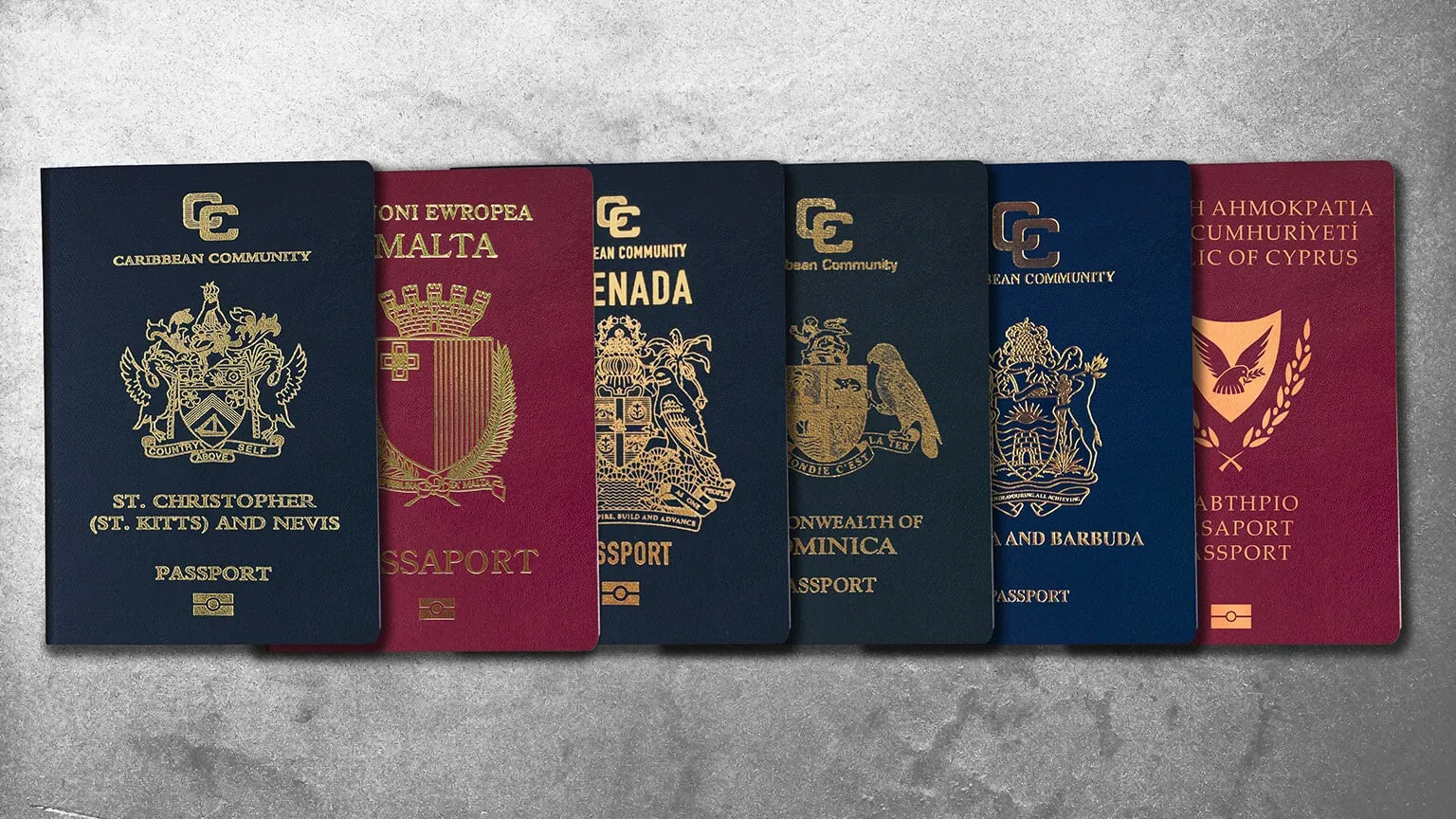
A second citizenship can make travel easier. It can also make a simple airport moment more complicated than it needs to be.
Two passports do not mean two separate travel identities. Airlines, border officers and immigration databases are looking for a consistent record: who you are, where you entered, where you exited and whether you had the right document for that trip.
That is why passport planning matters. Citizenship Network works with families who obtain citizenship through investment programs, ancestry routes and long-term residence planning. The passport is only useful if it is used correctly.
This guide explains how to travel with two passports in 2026 without creating avoidable problems at check-in, passport control or on the return trip.
Which passport should you use when travelling with two passports?
At border control, use the passport that matches your legal relationship with that country. If you are its citizen, that normally means its national passport. At airline check-in, show the document that proves you may enter the destination. In a third country, choose the passport that gives you lawful entry and use the same one when you leave. Carry both passports even when only one needs to be shown.
If you are still deciding whether a second nationality fits your situation, read our dual citizenship guide before comparing individual routes.
The rule that prevents most passport mistakes
Use the same passport to enter and leave the same country.
Most problems begin when someone enters a country on one passport and tries to leave on another. To the immigration system, the second passport may not show a matching entry record. That can cause delays, questions or a formal overstay issue even when the traveler did nothing dishonest.
If you enter France with an EU passport, leave France with that same EU passport. If you enter a country with your Caribbean passport because it gives better visa-free access, use that passport again when you depart.
The second rule is just as important: give the airline the passport you expect to use at the destination. Airlines check whether you can legally enter the country before they let you board. If you give the airline the wrong document, you may be stopped at check-in even though another passport in your bag would have solved the problem.
Use your national passport in countries that claim you as a citizen
Many countries expect their own citizens to enter and leave on their national passport. A dual citizen who also holds a foreign passport should not assume the foreign document can be used as a substitute.
Think of a dual citizen flying between the country where they live and the country where they were born. At home, the home passport usually belongs at border control. At the other end, the second passport may be the right document if that country also treats the traveler as its citizen.
This is not only a paperwork preference. Some countries treat their citizens as citizens first, even if they also hold another nationality. In that situation, consular help from the other passport country may be limited while the person is inside the country that claims them as its own national.
Citizenship Network usually explains this point early in second citizenship planning. A stronger passport can open doors abroad, but it does not cancel duties in a country where you are already a citizen.
What a normal two-passport trip looks like
Here is the usual rhythm.
At airline check-in, the traveler may need to show the passport that proves they can enter the destination. At departure control, they should use the passport linked to the country they are leaving. At arrival, they should use the passport of the country they are entering.
On the way back, the same logic runs in reverse.
It can feel awkward the first few times because the airline desk and border desk may need different answers. The principle is still consistent. The passport shown to border control should match the legal relationship with that country. The passport shown to the airline should prove the right to board and enter the destination.
If the destination is a third country where the traveler has no citizenship, the choice becomes simpler. Use the passport that gives the best legal access, then keep using that same passport for entry and exit from that country.
Considering a second passport?
If you are reading this because you are comparing a second nationality, do not judge a route only by visa-free access. Cost, family eligibility, processing time, renewal obligations and access to the places that matter to you should be considered together.
Compare citizenship routes side by side, review current citizenship by investment programs, or request a private assessment for a recommendation built around your family.
Carry both passports, but do not create confusion
Dual citizens should usually travel with all valid passports that may be relevant to the trip. Problems can happen if a border officer asks how the traveler will return home or why there is no visa in the passport being shown.
Still, carrying both passports does not mean presenting both at every desk. Show the document that answers the question being asked.
At check-in, the airline needs to know whether you can board and enter the destination. At passport control, the officer needs to process entry or exit for that country. At a visa desk or transit point, the question may be different again.
The aim is not to hide a second citizenship. The aim is to avoid creating a messy record.
Be careful with countries that restrict dual citizenship
Some countries allow dual citizenship openly. Some tolerate it in practice. Others restrict it, do not recognize it, or require citizens to make a nationality choice at certain ages or under certain conditions.
That matters before travel.
A second passport may not help if a country regards you only as its own citizen while you are on its soil. It may also affect military service, exit permission, tax residence, civil registration, inheritance rules or the ability to receive foreign consular support.
For the tax side, our guide to countries that do not tax foreign income explains why passport, residence and tax residence are separate questions.
India is a useful example of why wording matters. Overseas Citizenship of India is not the same as Indian citizenship. It gives important rights, but it is not a passport or nationality in the ordinary sense. A traveler who treats it like full citizenship can make poor decisions at the border.
Before using a second passport, check the rules of every country where you are a citizen, not only the countries you plan to visit.
Europe makes passport choice more visible
Europe is moving toward more digital border records and tighter pre-travel checks for non-EU travelers. That makes passport consistency more visible than it used to be.
EU, EEA and Swiss citizens should usually use their European passport when entering or leaving the Schengen Area. That avoids being treated as a third-country visitor and keeps the record aligned with their rights as citizens.
Non-EU citizens comparing second citizenship options should look beyond visa-free travel lists. A passport can affect how entry records are created, how long a person can stay and whether future trips are questioned.
Our guides to dual citizenship by investment and affordable second passports in 2026 explain how investors compare access, cost and long-term flexibility.
Small details that cause real delays
Passport travel problems often start with ordinary details people notice too late.
A name on the flight booking should match the passport used for airline check-in. If one passport uses a middle name, a married name or a different spelling, choose the booking details carefully.
Passport validity also matters. Some countries require several months of remaining validity after arrival. A second passport with better access is not useful if it is too close to expiry.
Transit rules can be another trap. A traveler may not plan to enter the transit country, but the airline may still check visa or authorization rules before boarding. Ferry, train and land borders can create the same issue, especially where one country records exit and another records entry at separate points.
Automated gates can also make people careless. If the gate scans the wrong passport, the record may be created under the wrong nationality. Fast processing only helps when the passport choice is correct.
Dual citizenship travel checklist before you fly
Before booking, decide which passport will be used for each country on the route. This is the most important step for anyone asking which passport should I use as a dual citizen.
Before check-in, confirm which passport proves the right to enter the destination.
Before departure control, use the passport connected to the country you are leaving if you are its citizen.
Before arrival, use the passport connected to the country you are entering if you are its citizen.
For third countries, choose the passport with the correct visa-free access, visa, electronic authorization or residence right, then use it for both entry and exit.
Keep all passports valid, keep names consistent across bookings and check whether any citizenship creates extra duties before travel.
For families planning a new passport through citizenship by investment or citizenship by descent, Citizenship Network can help map the travel logic before the first trip. That early planning is often the difference between a useful second passport and a stressful airport conversation.
The real value is choice, not guesswork
A second passport is powerful because it gives choice. It can open routes, reduce visa friction and help a family build a more flexible life.
But choice is not the same as guessing at the airport.
The best approach is calm and consistent: know which passport belongs to which country, use the same document for entry and exit, and check obligations before relying on a second nationality.
If your family is comparing routes, start with our citizenship by investment overview or speak with Citizenship Network through the contact page. The right program matters. The way you use the passport after approval matters just as much.