
Does a Second Citizenship Protect Your Assets? The Answer Is Usually No
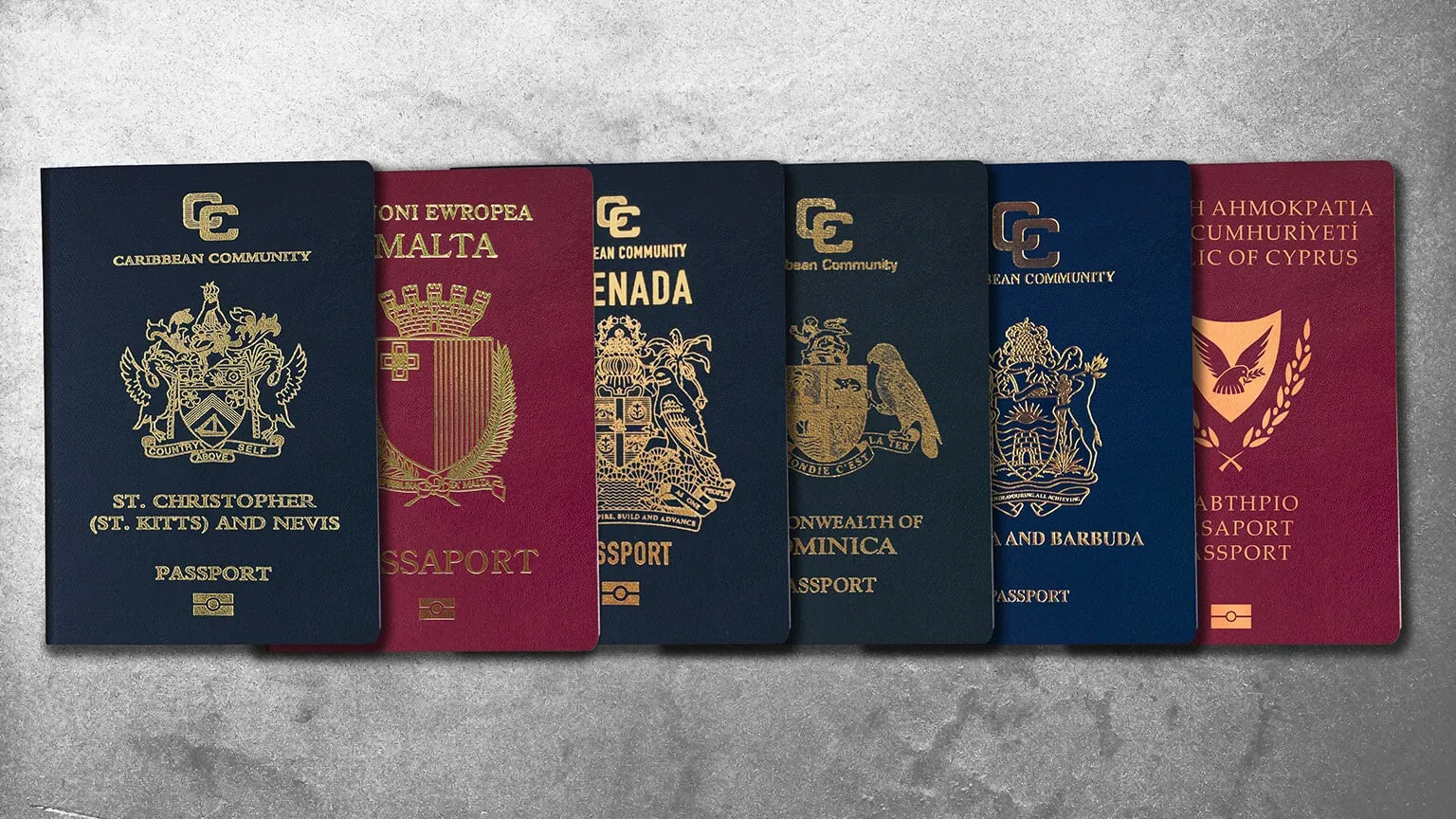
Many investors start with the same question:
Can a second citizenship protect my assets?
The short answer is usually no. A second passport can be extremely valuable, but it does not change who owns a bank account, which court can reach a company, where a property is registered, or what happens to an estate after death.
Citizenship is a legal bond between a person and a state. Asset protection is about ownership, timing, governing law, creditor exposure and proper administration. They can sit inside the same international plan, but they are not the same tool.
This distinction matters because the mistake is common. A family buys a passport, opens an offshore account, signs a will, forms a company and assumes the job is done. On paper, there are several jurisdictions involved. In reality, there may be no structure at all.
Citizenship Network sees this often in private planning work. The problem is rarely that one adviser did something badly. More often, each adviser solved one narrow issue and nobody checked how the pieces fit together.
A passport changes movement, not ownership
A second citizenship can improve mobility. Depending on the country, it may give a permanent right of entry, residence, work, family transmission and consular protection. That is serious value.
It does not move assets out of reach by itself.
If a person owns an investment account personally, a new passport does not change the owner. If a company is incorporated in one country, a new passport does not move that company to another legal system. If real estate is registered locally, a second nationality does not rewrite the land registry.
This is why investors comparing citizenship by investment programs should be precise about the goal. If the goal is travel access, family optionality and a legal right to live somewhere else, citizenship may be the right tool. If the goal is creditor planning or estate design, the answer sits elsewhere.
The nine things people mix together
Weak international planning usually starts when different legal ideas are treated as if they were one thing.
At minimum, a serious review should separate:
- citizenship
- residence status
- tax residence
- domicile
- asset location
- ownership structure
- banking jurisdiction
- governing law
- succession planning
Each can point to a different country. None automatically controls all the others.
A person can hold three passports and still be tax resident in one country. A person can have a bank account abroad and still own the funds personally. A holding company can be incorporated overseas while the shareholder agreement remains governed by old law. A will can exist, yet still fail to cover assets in the way the family expects.
That is why the first question should not be “which passport should I buy?” The better question is:
Which country currently controls each part of my life, my assets and my estate?
The answer is sometimes uncomfortable. Many successful families have every major exposure tied to one country: nationality, residence, tax, operating company, banks, home, investment accounts, inheritance rules and courts. That is not automatically wrong. It is simply concentrated risk.
Foreign banking is useful, but it is not asset protection
Opening a foreign account can be a smart move. It may diversify currency exposure, banking counterparty risk, payment access and custody risk.
That is not the same as protecting assets.
If the account is still in the individual’s own name, the beneficial owner has not changed. Tax reporting may still flow to the person’s tax residence under the Common Reporting Standard. The OECD’s CRS framework requires financial institutions in participating jurisdictions to collect and report information for automatic exchange between tax authorities.
The old idea that international banking means secrecy is outdated. Serious banks now expect source of wealth evidence, beneficial ownership details, tax residence declarations and compliance checks. Any plan that depends on an account staying invisible is not a plan. It is a liability waiting for attention.
Foreign banking has a role. It should be described honestly: banking diversification, not magic protection.
What real asset protection depends on
Asset protection starts with ownership.
If an asset is held personally, personal liabilities may reach it. A structure only changes that if there is a real transfer, real governance and real consequences. If the owner keeps unrestricted control, instant access and the ability to reverse everything at will, a court may treat the structure as cosmetic.
Timing is just as important.
Planning done while solvent, before a dispute exists, can be ordinary family or commercial planning. The same transfer made after a claim appears can be attacked as a creditor avoidance transaction. In some places, that can create civil, tax or even criminal problems.
Administration is the part people underestimate. Companies, trusts, foundations and holding vehicles are not one-time purchases. They need records, filings, bank reviews, minutes, tax analysis and people who know why the structure exists.
A structure that is badly run may become worse than no structure at all.
More countries do not always mean more protection
Some investors assume that adding jurisdictions automatically creates resilience. It can also create confusion.
Every new country can bring filings, fees, banking reviews, local directors, tax analysis, substance questions and another adviser. Complexity itself becomes a risk.
A cleaner test works better:
Can you explain, in one sentence, what each country in the structure is doing?
One country may be for actual residence. Another may be for banking depth. A third may be for company law. A fourth may govern succession instruments. A second citizenship may provide mobility and a permanent right to return.
That is architecture. Collecting passports, bank accounts and companies without a clear function is accumulation.
For many families, a simple, well-administered structure across a few jurisdictions is stronger than a crowded structure that nobody can explain.
What citizenship really does
Once the limits are clear, second citizenship becomes easier to value.
A passport can give a person something that no trust or holding company can provide: the right to enter and live in a country as a citizen. Residence permits remain permissions. They can be repriced, narrowed, renewed with new conditions or closed to future applicants.
Citizenship is different. In many countries, it is durable and can pass to children under nationality law. It can give the family a real place to go, not just a portfolio arrangement.
That matters in political stress, regional instability, banking disruption, sanctions exposure, visa restrictions or family relocation planning.
This is where Citizenship Network draws the line clearly. A second passport is about personal optionality. A holding structure is about ownership and legal exposure. International banking is about custody and payment access. Tax residence is about where a person is taxed. These tools should support each other, but they should not be confused.
Citizenship can also bring obligations
Second citizenship is not automatically positive in every case.
Some countries restrict dual nationality. Some impose military service. Some create reporting requirements. The United States is the best-known example of citizenship-based taxation. The IRS states that U.S. citizens and resident aliens abroad are generally subject to U.S. tax on worldwide income, even when they live outside the United States.
Renouncing a citizenship can also have tax consequences in certain systems. That should be reviewed before a family adds or gives up any nationality.
The point is simple: citizenship is powerful, but it must be matched to the right problem.
How to build a cleaner plan
A better planning conversation starts with a map.
List each citizenship, each residence permit, tax residence, domicile risk, bank, company, real estate asset, investment account, will and governing law. Then ask what each one is supposed to do.
For example:
- Which passport gives the family a safe right of entry?
- Which residence option can actually be used?
- Which country taxes the family today?
- Which court would hear a business dispute?
- Which law governs the will?
- Which bank holds operating liquidity?
- Which assets are personally owned?
- Which structures have real governance?
This is less glamorous than buying a new passport. It is also more useful.
Citizenship Network can then compare second citizenship options, residency by investment routes, Paraguay residency, Panama permanent residency and European residence programs against the actual risk map.
The goal is not to collect more products. The goal is to know which exposure each product is meant to reduce.
Bottom line
A second citizenship does not protect assets on its own.
It protects movement, status and personal choice. Asset protection depends on ownership, timing, governing law, forum and administration. Banking diversification protects against banking and payment risk. Tax residence planning deals with tax exposure. Succession planning deals with what happens after death.
These are connected, but they are not interchangeable.
The strongest international plans are usually the clearest ones. Each country has a job. Each structure has a reason. Each passport solves a mobility problem rather than pretending to solve every problem.
For families building a second citizenship or residence strategy, that clarity is the difference between a collection of documents and a plan that can actually work under pressure.