
St Kitts CBI: US Treasury Lifts Its 2014 FinCEN Advisory
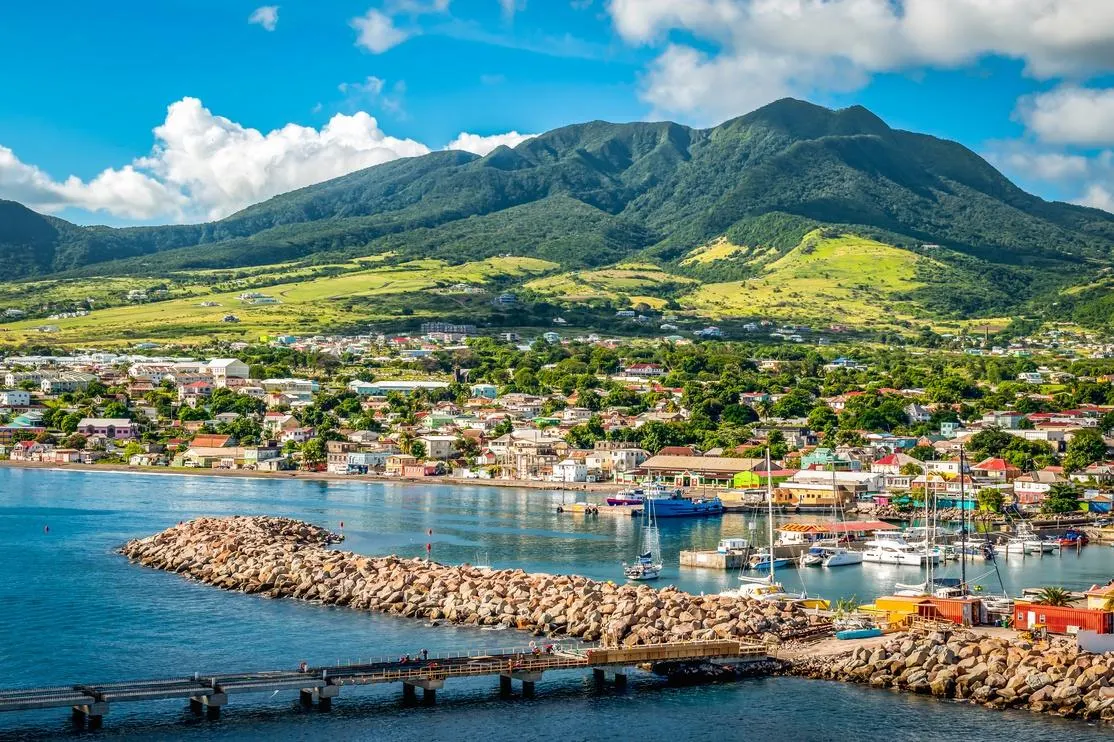
On 24 February 2026, the Financial Crimes Enforcement Network, the United States Treasury body that tracks illicit money, withdrew a notice it had first issued in 2014. That notice, Advisory FIN-2014-A004, had told American banks to treat the Saint Kitts and Nevis citizenship by investment programme as a laundering risk. For eleven years it hung over the oldest passport programme in the world, souring banking ties and giving critics an easy target.
Reversals like this are rare. FinCEN seldom drops a warning it has carried for more than a decade, and it does not do so as a favour. The advisory came off because the evidence coming out of Saint Kitts had changed over three years of reform.
Why the advisory was lifted
Prime Minister Terrance Drew tied the decision to that rebuilding, and pointed to the new regional regulator, the Eastern Caribbean Citizenship by Investment Regulatory Authority, as proof the wider region is serious about oversight. Calvin St. Juste, who chairs the Citizenship by Investment Unit, kept his summary short: “We took the advisory seriously and implemented comprehensive reforms to our due diligence processes, compliance framework, and security measures.”
At Citizenship Network we have followed the programme closely through its overhaul, and the changes always looked structural rather than cosmetic. The Treasury has now confirmed that view.
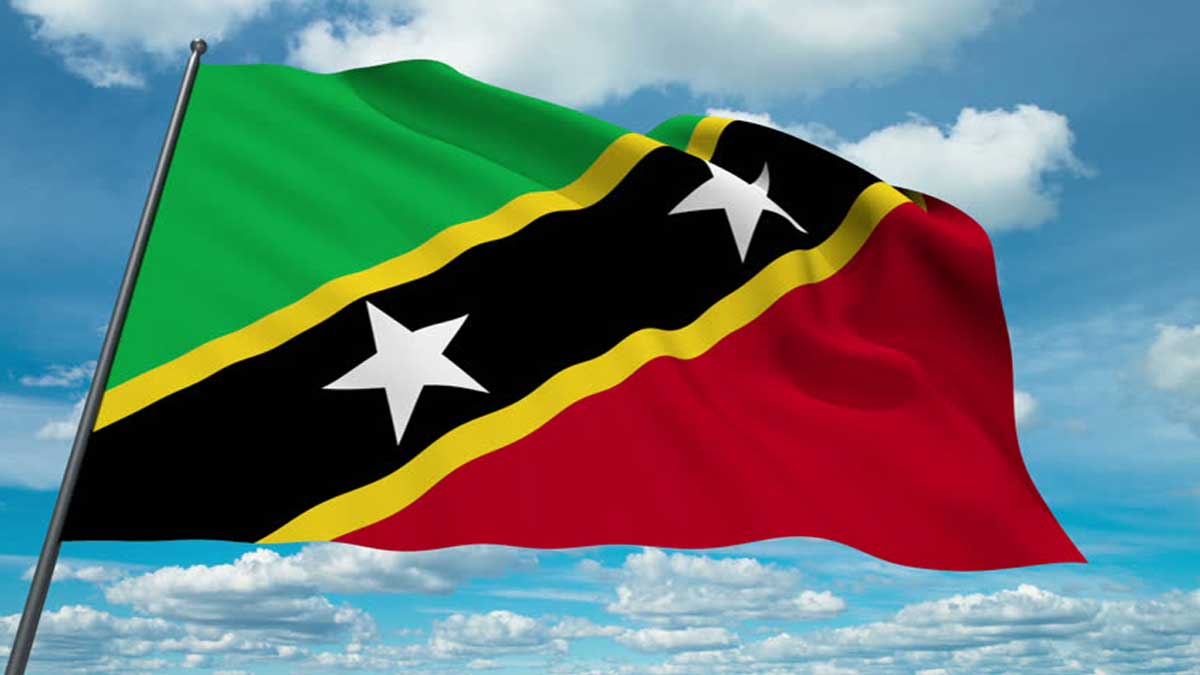
The overhaul behind the decision
None of this arrived overnight. In June 2024 the National Assembly passed the Citizenship by Investment Unit Act, which lifted the CIU out of the civil service and turned it into an independent statutory corporation. It now runs with its own Board of Governors, a chief executive, a chief financial officer and, for the first time, a dedicated Chief Due Diligence and Anti-Money Laundering Compliance Officer. That last role was new, and it placed compliance oversight at the centre of the unit from the outset.
The procedures changed alongside the structure. Background checks are commissioned by the CIU itself and carried out by independent firms based in Britain, the United States and mainland Europe. Every applicant, and every dependant aged sixteen or above, now sits a mandatory interview. Anyone checking the current requirements can find the practical detail in our overview of Saint Kitts and Nevis citizenship by investment.
The checks continue after approval
Saint Kitts also does something no other programme does once a passport is granted: it keeps monitoring the people it has approved. A Continuing International Due Diligence unit, run out of Europe, tracks approved investors long after their file closes, and if one of them comes under investigation anywhere in the world, it alerts the Ministry of National Security. Set that against the country’s new biometric passport rollout, and the compliance picture bears little resemblance to the one the 2014 advisory described.
A coordinated regional response
Saint Kitts did not reform in isolation. In March 2024 all five Caribbean nations that offer citizenship signed a Memorandum of Agreement. It set a floor of 200,000 US dollars per application, made regional interviews compulsory, built shared databases of rejected applicants, and suspended Russian and Belarusian applications in step with one another.
That agreement later hardened into a permanent institution. In September 2025 the heads of government of the Organisation of Eastern Caribbean States agreed to create ECCIRA, the region’s first single supervisory body for these programmes, based in Grenada. It introduced central vetting, standard minimum prices, a shared register of applicants and agents, and biometric checks at passport renewal. Washington, London and Brussels each welcomed it publicly. We unpacked how the ECCIRA rules reshape the wider Caribbean in a separate briefing, and the choice to base the authority in Grenada reflects that country’s own growing standing.
The move to genuine-link rules
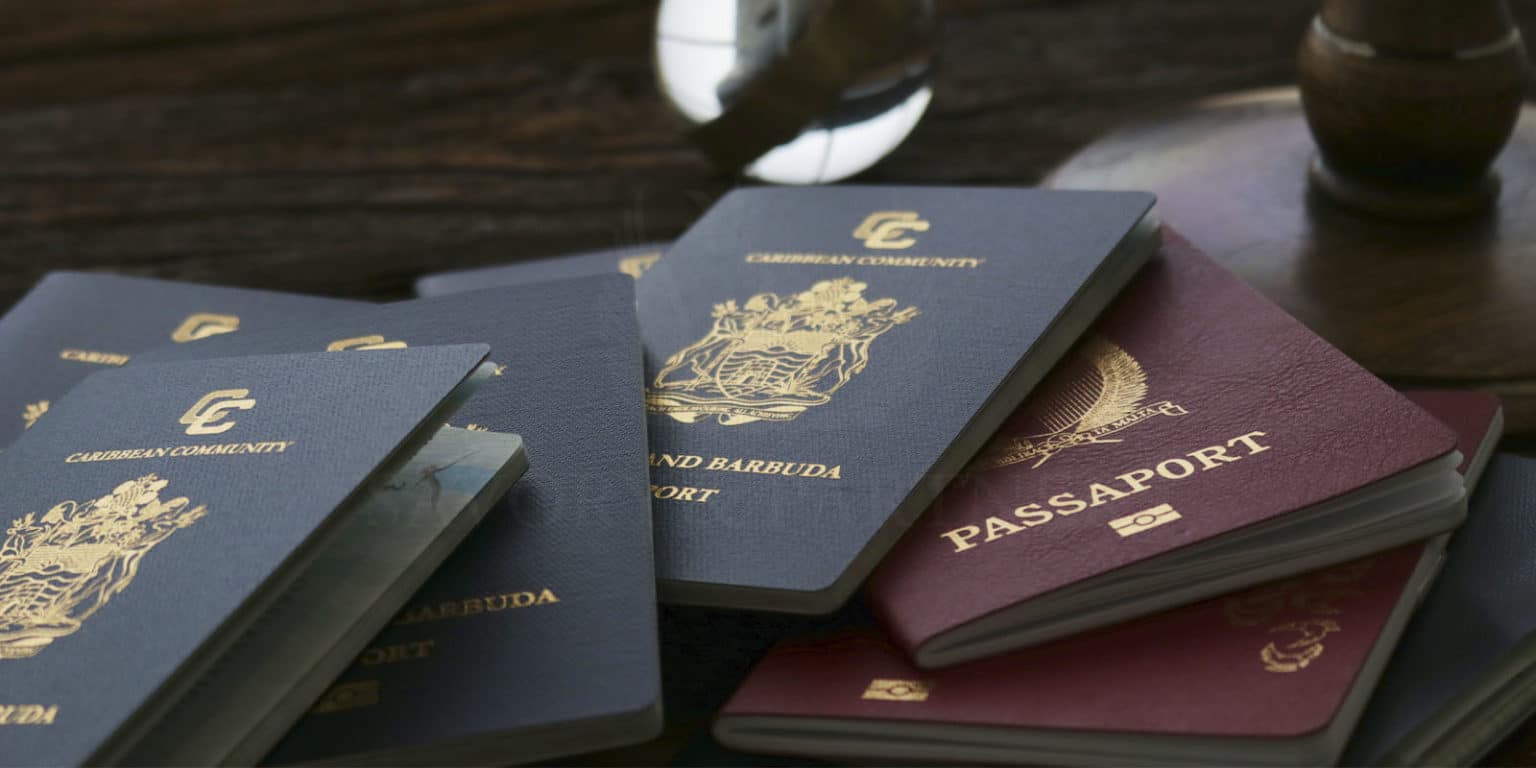
The biggest change is still landing. On 8 January 2026 the government confirmed the programme will move away from a model built mainly on donations toward one that asks for a real link to the country. In practice that means structured time on the ground, genuine economic activity such as starting a business or creating jobs, and lasting civic or social involvement.
What the numbers say in 2026
The financial picture is mixed. Revenue from the programme fell from 22 percent of GDP in 2023 to 8 percent in 2024, and the International Monetary Fund’s 2026 Article IV mission put it near 5 percent of GDP by 2025. Those figures reflect the cost of tightening a programme while it keeps running.
There are clear signs of a recovery, though. Applications jumped 169 percent in the final quarter of 2024 once the new rules settled in, and rejections rose alongside them, which is what stricter screening should produce. Independent industry benchmarks have rated Saint Kitts the strongest Caribbean programme for five years running, with top marks for both processing speed and due diligence. The IMF expects the island’s economy to grow 2.2 percent in 2026, helped by a programme that is steadying. We covered the wider reform in our earlier report on the 2026 programme overhaul.
What it means for investors
The timing of the reversal mattered too. It landed in February 2026 while Prime Minister Drew was hosting the fiftieth CARICOM heads of government summit and holding a bilateral meeting with United States Secretary of State Marco Rubio. Europe has not eased its scrutiny of Caribbean citizenship, and a European Commission report in December 2025 acknowledged the steps all five nations had taken. Saint Kitts has gone further than its neighbours, which leaves it better placed than any of them to keep passing inspection.
Clients who ask Citizenship Network about the Caribbean this year usually want to know one thing: is Saint Kitts still a safe choice? On the evidence, the programme is more tightly run today than at any point in its history. The pressure has not disappeared, but the programme that came through it was built to handle exactly that kind of scrutiny, which is what Washington acknowledged in February.
The rules are still changing quickly, and an application filed under the current framework leaves little room for error. If Saint Kitts and Nevis is on your list, the team at Citizenship Network can walk you through eligibility, documents and timing under the 2026 rules. Get in touch through our contact page to start the conversation.